
I recently sent seven people to the guillotine in France.
Not literally, of course.
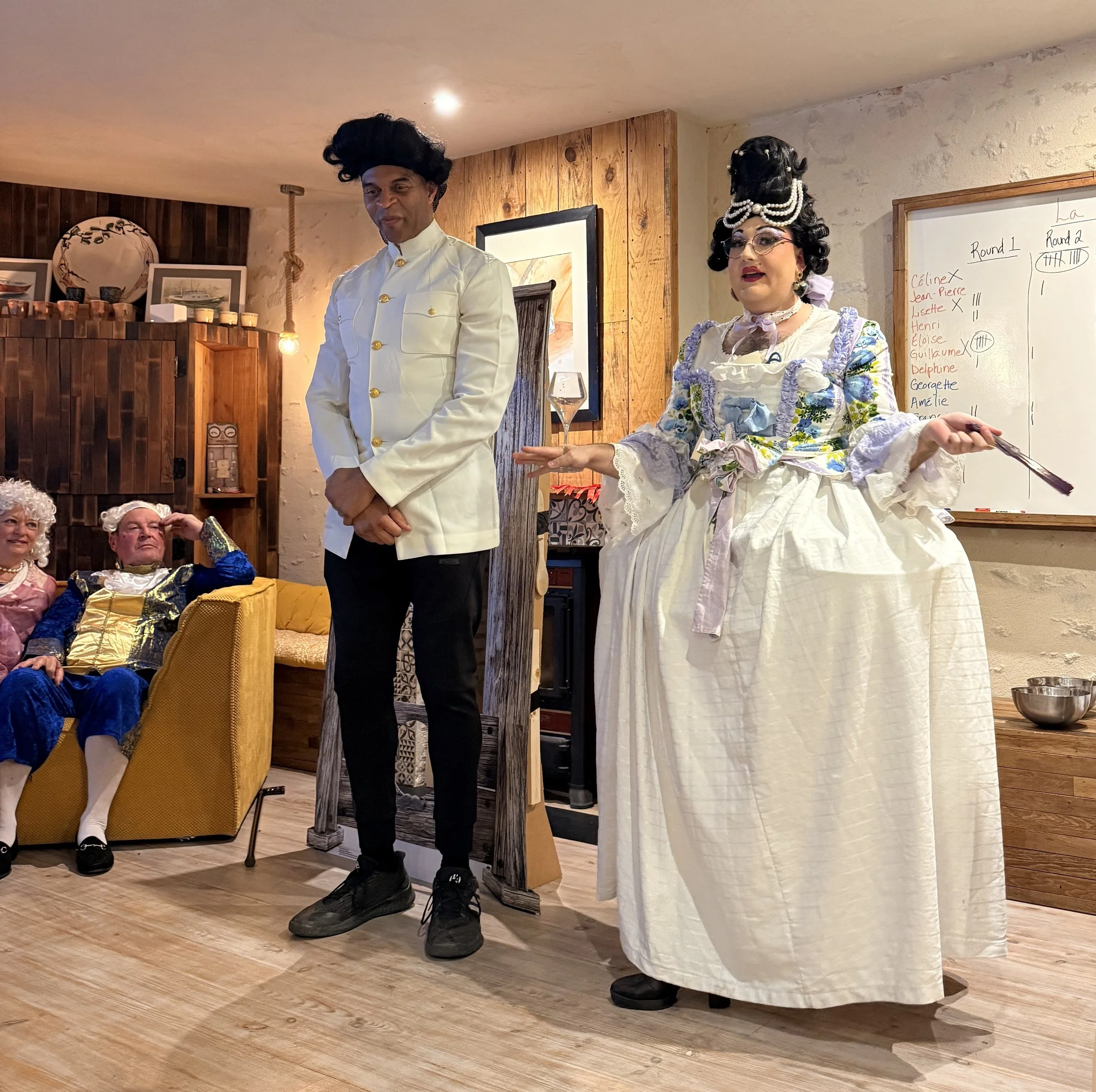
But during the second of two Coaches Retreats I hosted in the Bordeaux countryside, I created a French Revolution leadership immersion game called La Révolution.
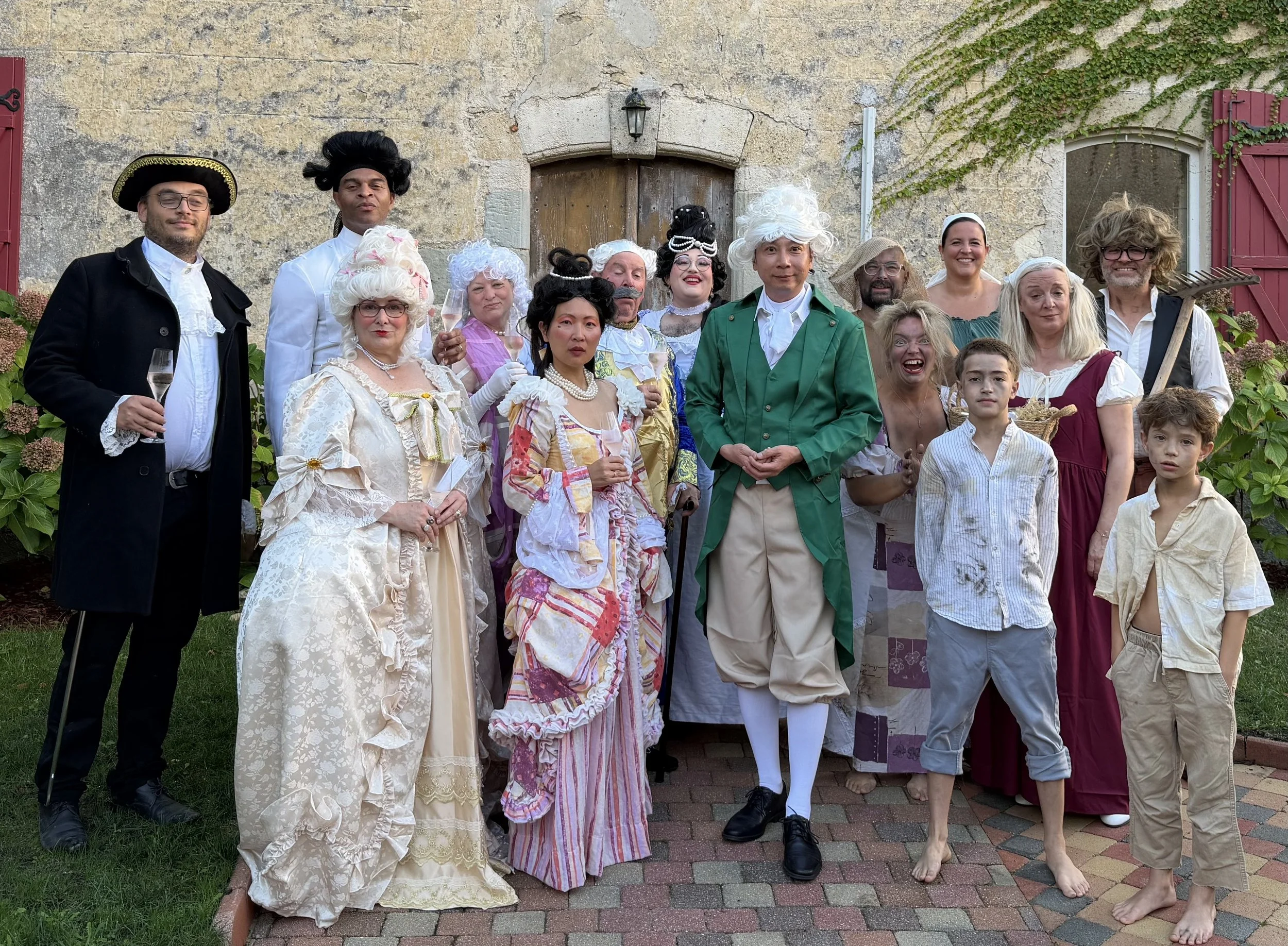
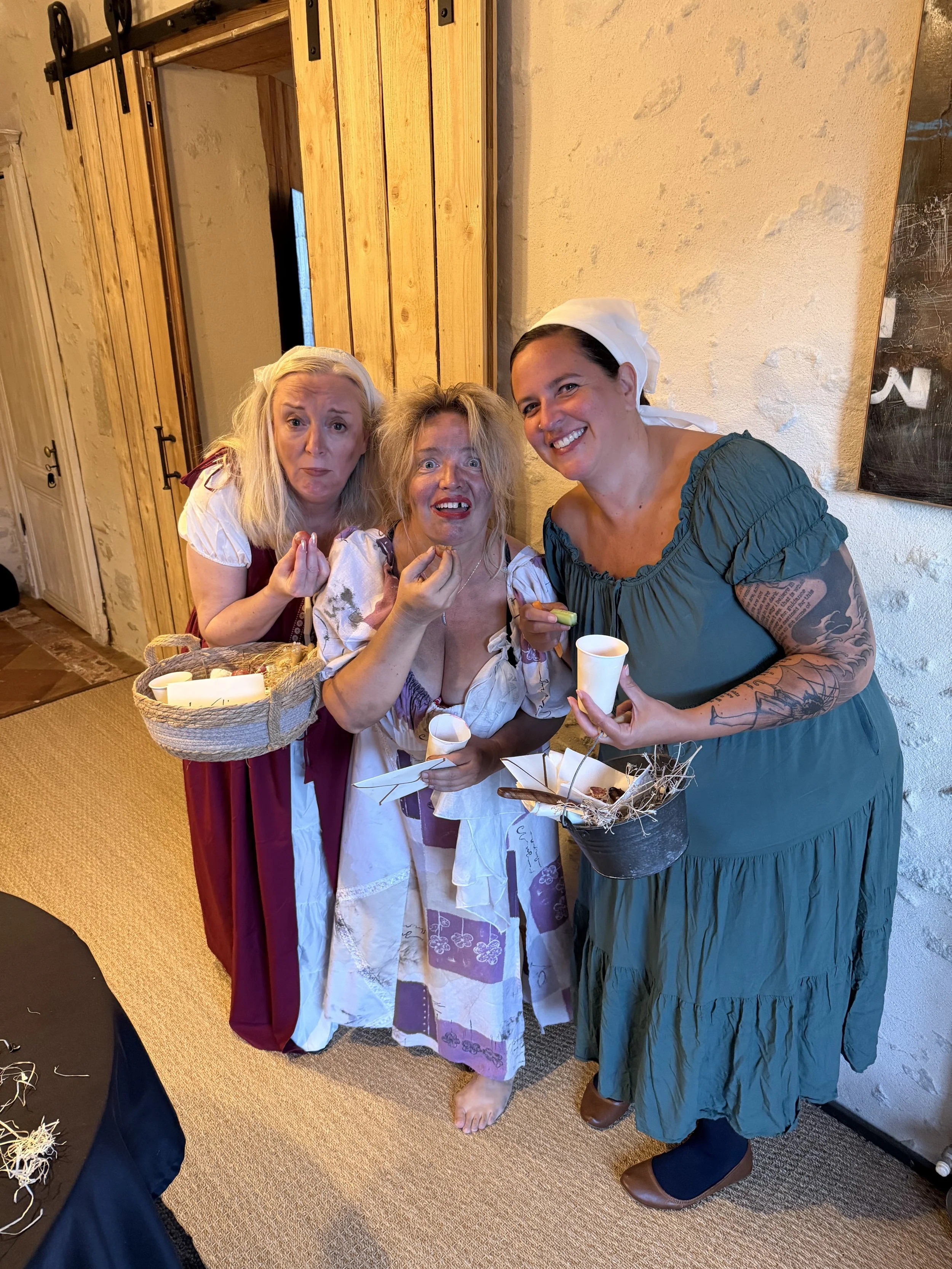
Along with the coaches, I invited several locals to join us, including winemakers, a chef, and even the mayor of the village.
Each participant was assigned a role as either an aristocrat or a peasant.
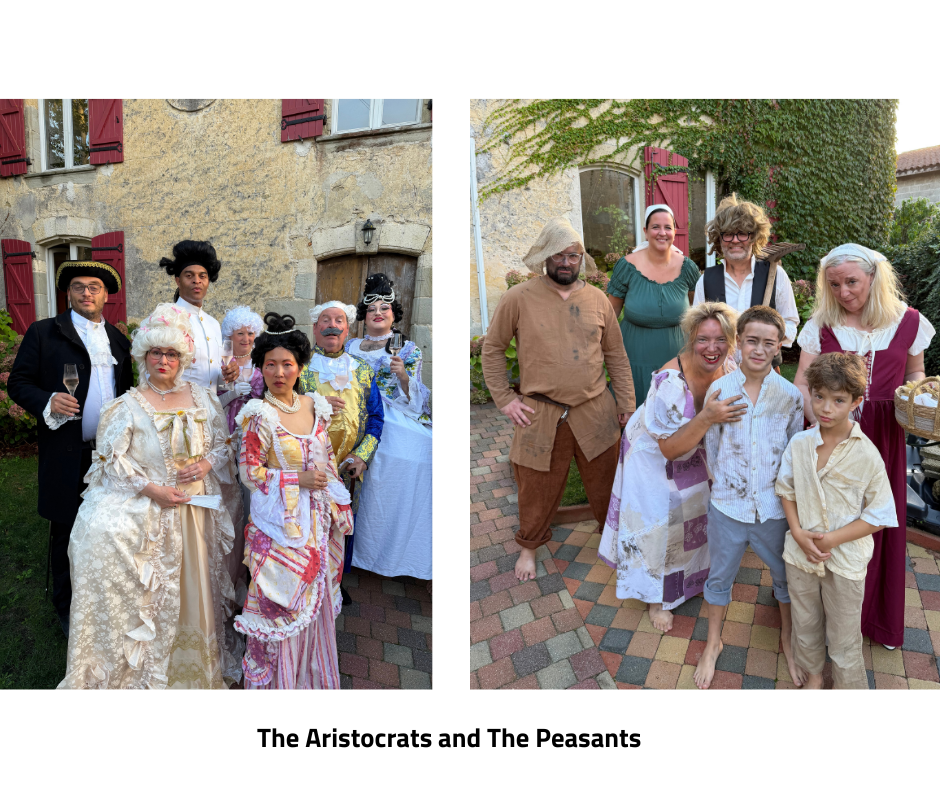
There were secret alliances. Accusations. Betrayals. Public declarations of loyalty. And, of course, a guillotine.
I played Robespierre.
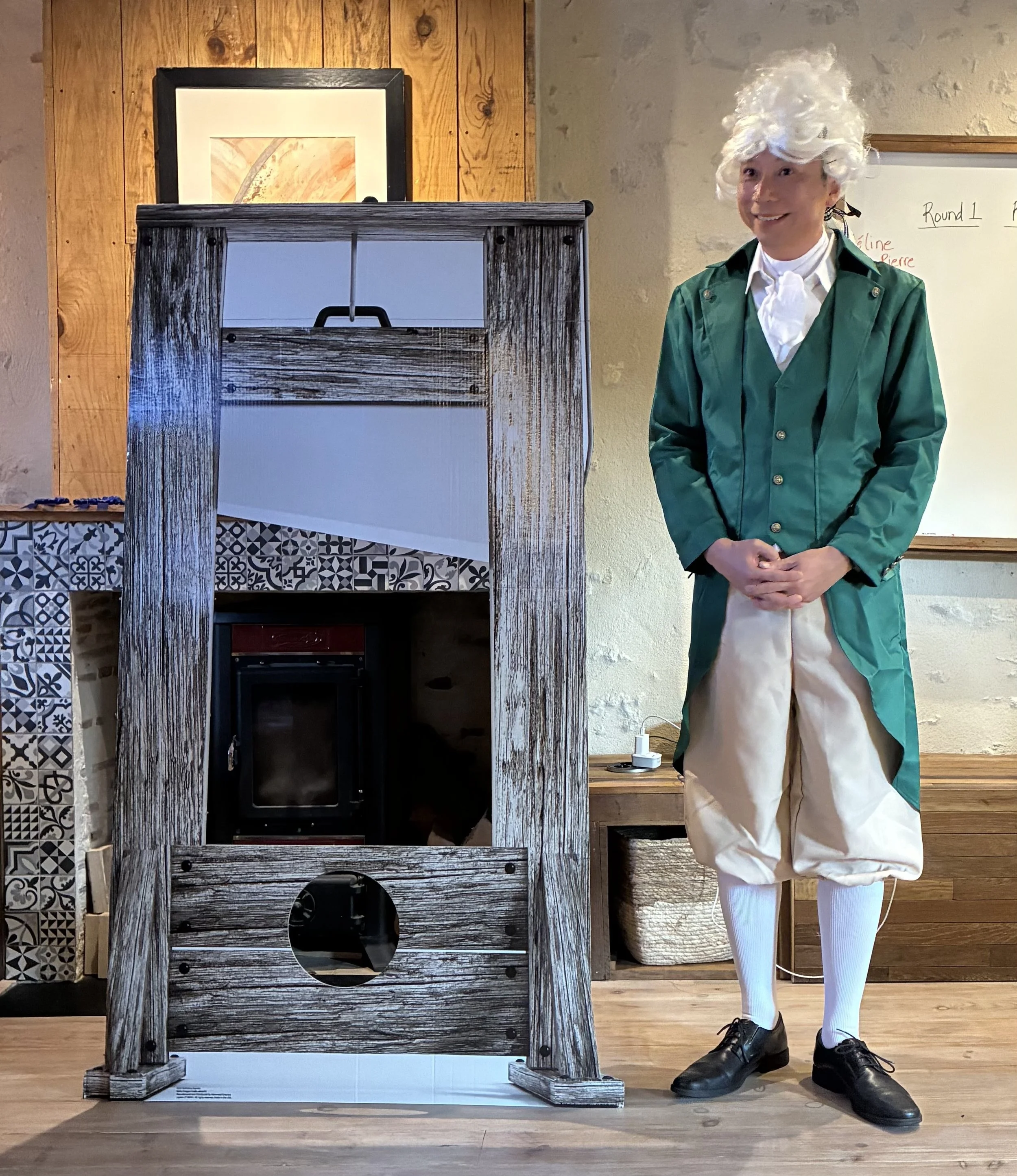
And while the game was designed to be playful, it revealed something fascinating about human behavior and leadership.
When people perceive their status, power, or security to be threatened, something shifts.
Some become more strategic. Others retreat into silence. Some seek alliances. Others find the courage to speak up.
And while teams and organizations don't have guillotines, they certainly have their share of power dynamics, politics, fear, and unspoken truths.
Who do you become when you feel threatened?
Two Retreats. Two Very Different Experiences.
This fall, I brought together two intimate groups of coaches for back-to-back retreats in the Bordeaux region of France.
Our first retreat explored the theme of Harvesting. Through coaching, the Enneagram, and immersive experiences, we examined what we've cultivated in our lives and businesses, which patterns still serve us, and which ones we're ready to leave behind.
Our second retreat, the All-Stars, brought together returning coaches to experiment with new ideas, challenge themselves, and receive feedback from their peers.
Across both retreats, we also stepped outside our own circle to coach local winemakers and the mayor of Auros.
Different people. Different challenges. And opportunities to practice being fully present with another human being.
But it was the evening at the guillotine that brought one particular leadership lesson into sharp focus.
When Your Head Is on the Line
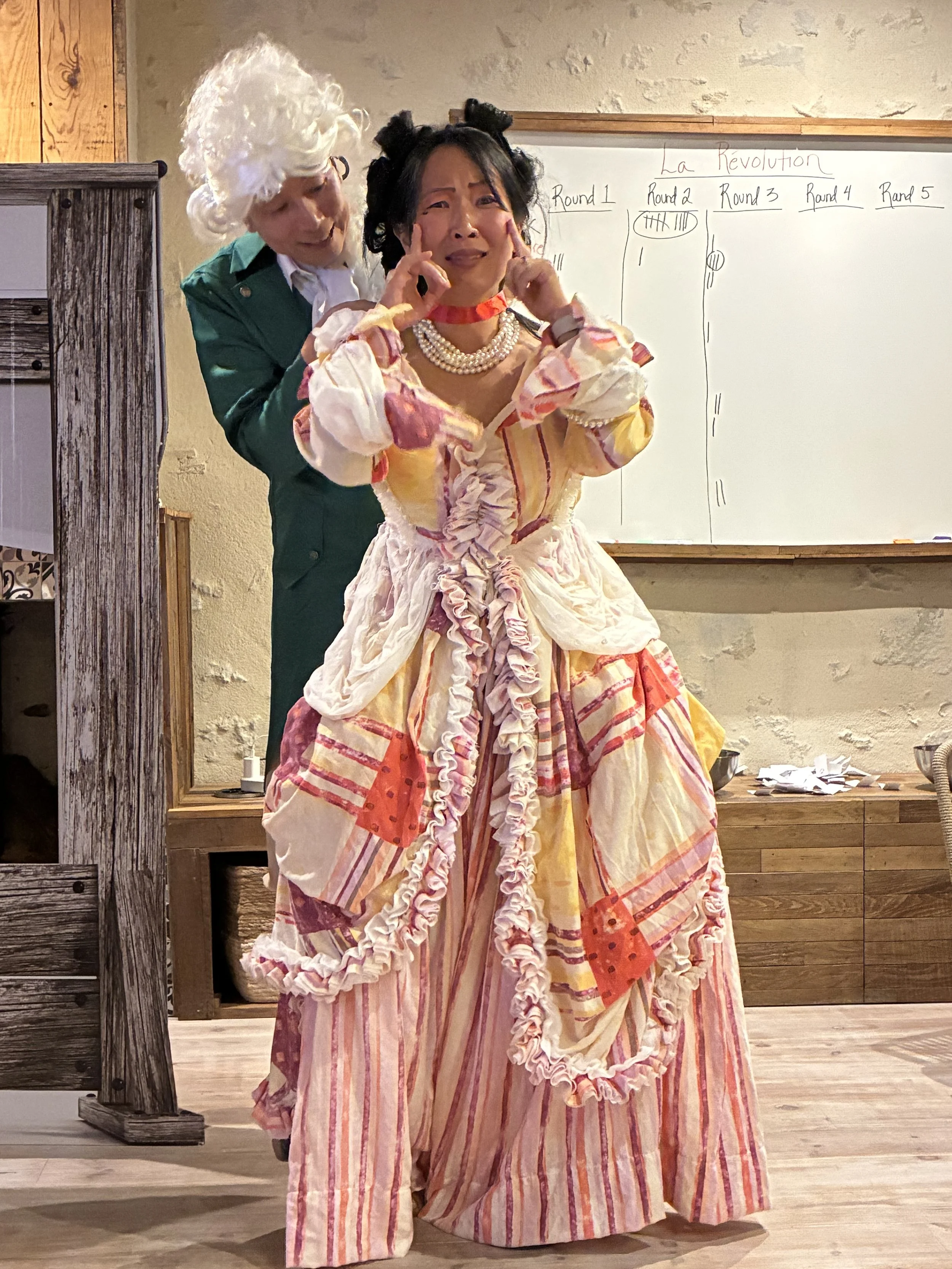
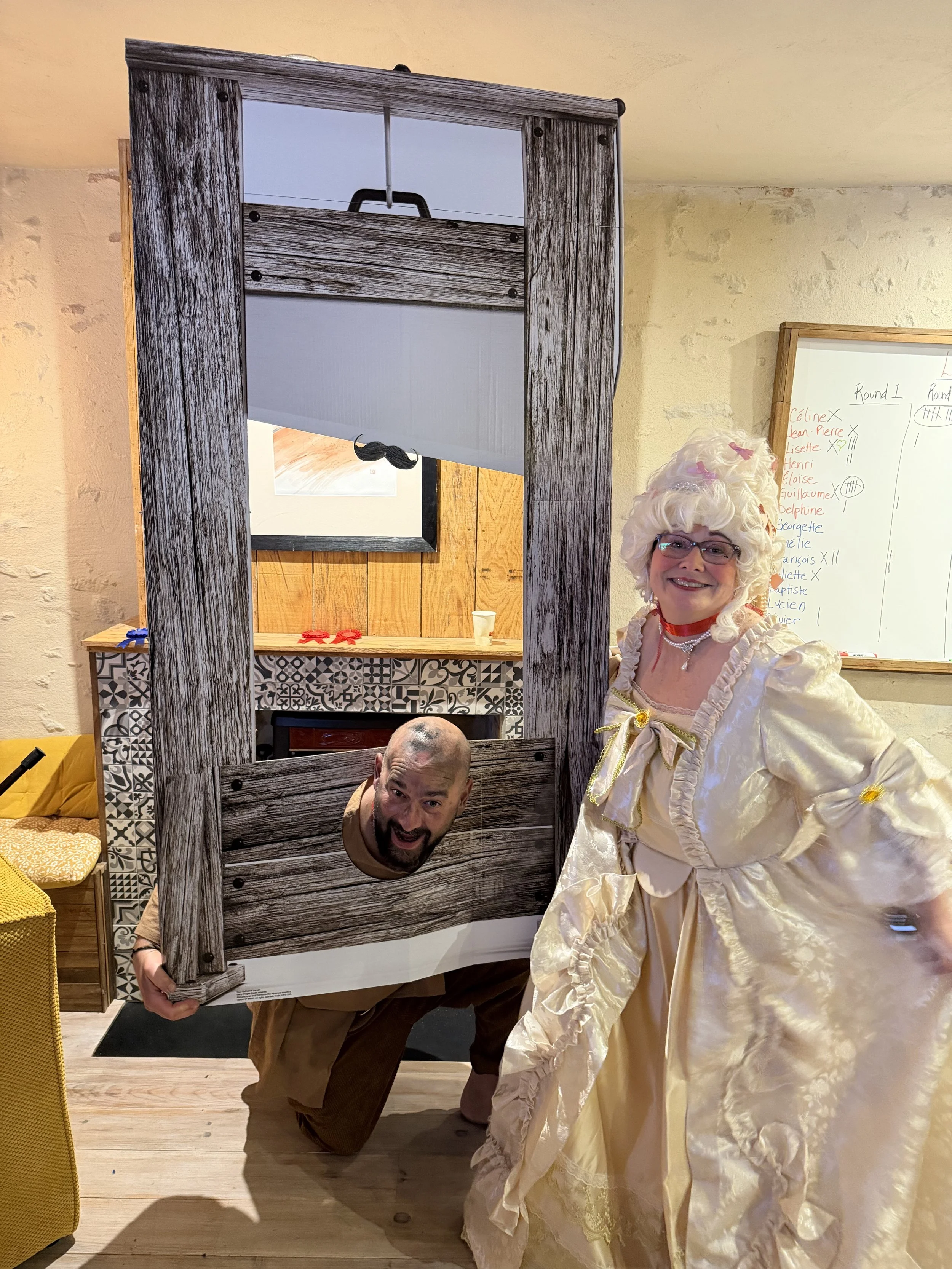
It's easy to talk about trust, courage, authenticity, and collaboration when everything is going well.
But what happens when you believe you're next for the guillotine?
When your position is threatened?
When someone challenges your authority?
When speaking the truth might cost you something?
When others don’t buy into your vision?
It's one thing to talk about how we want to lead. It's another to actually lead that way when we feel threatened.
We become defensive. Reactive. We shut down. Protect our image. Form alliances. Withhold information. Avoid difficult conversations. Or even turn against someone we previously trusted.
And often, we don't even recognize what we're doing.
This is why leadership development can't just be about acquiring new skills. It must also involve recognizing the unconscious patterns that take over when we're under pressure.
That's why I intentionally weave the Enneagram into my coaching and retreats. It helps us recognize the deeper fears and motivations that drive our behavior and how our behavior impacts others in real time.
But awareness alone isn't transformation.
We need experiences that reveal who we actually become when the stakes feel high, not just who we believe ourselves to be.
That's what I love about creating immersive coaching experiences. They make the invisible visible and give us the opportunity to hear from people we trust about what we may not see in ourselves.
The Real Revolution
The French Revolution was about changing who held power.
But changing who holds power doesn't necessarily change our relationship with it.
The same is true of leadership.
We can change our title, our organization, our strategy, or our circumstances.
But if we bring the same fears, assumptions, and unconscious patterns with us, how much has really changed?
Perhaps the most revolutionary act of leadership isn't overthrowing someone else.
It's having the courage to overthrow the parts of ourselves that no longer serve us.
What part of your leadership is ready for the guillotine?
And to the remarkable coaches who joined me in France, thank you for your courage, curiosity, generosity, and willingness to play full out.
Now, let us eat some cake.